PROTOTYPE VALIDATION IMAGERY — CLICK TO EXPAND
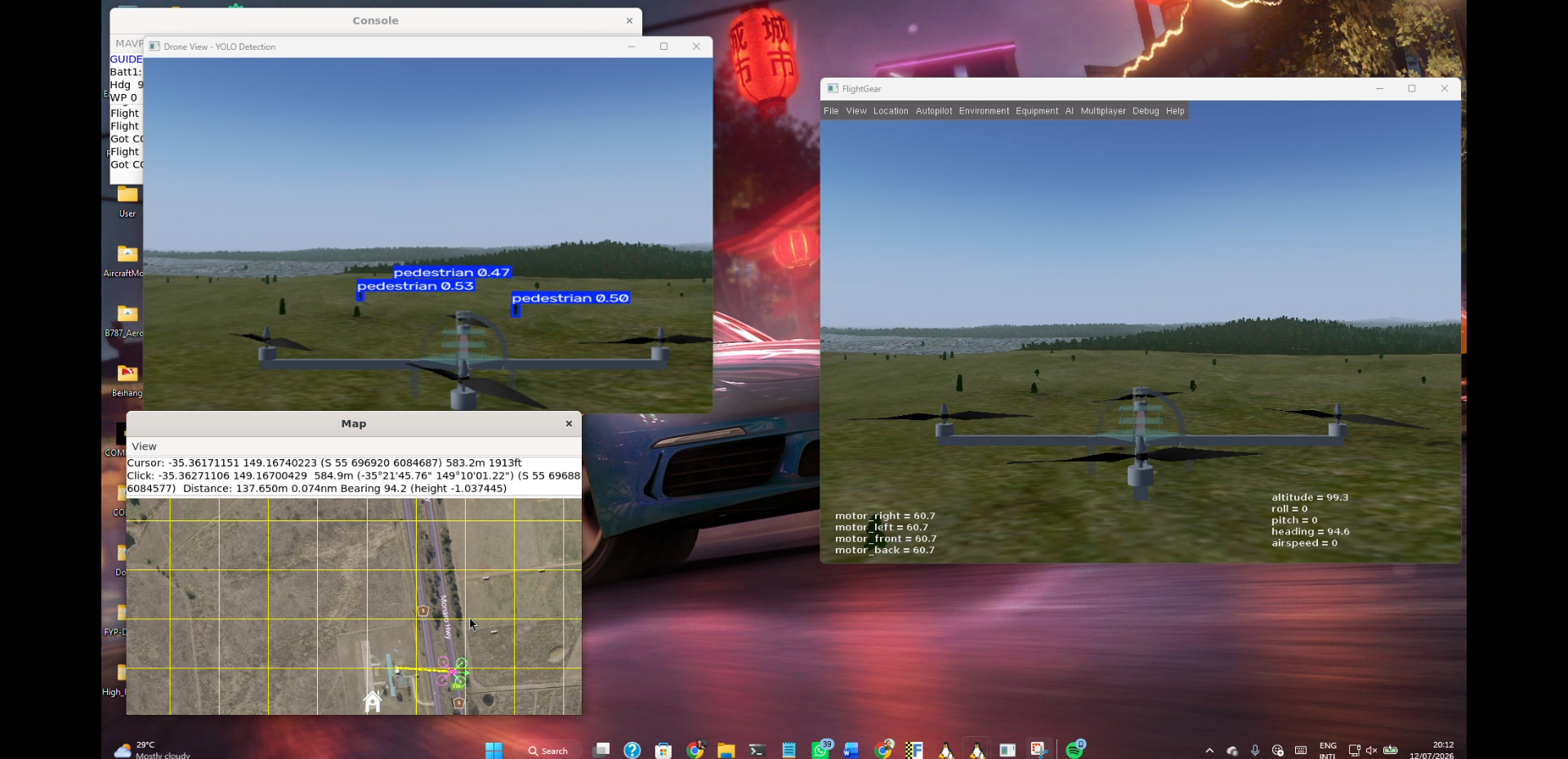
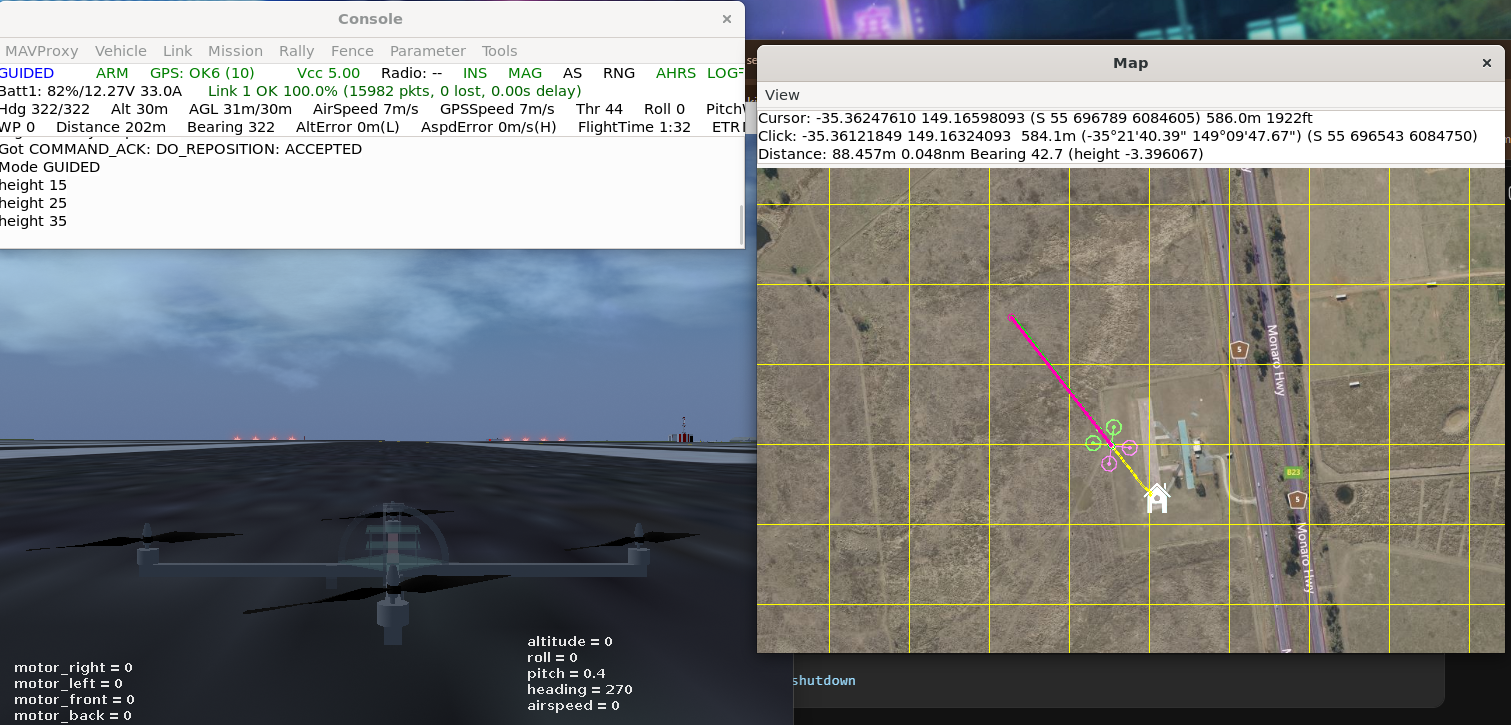
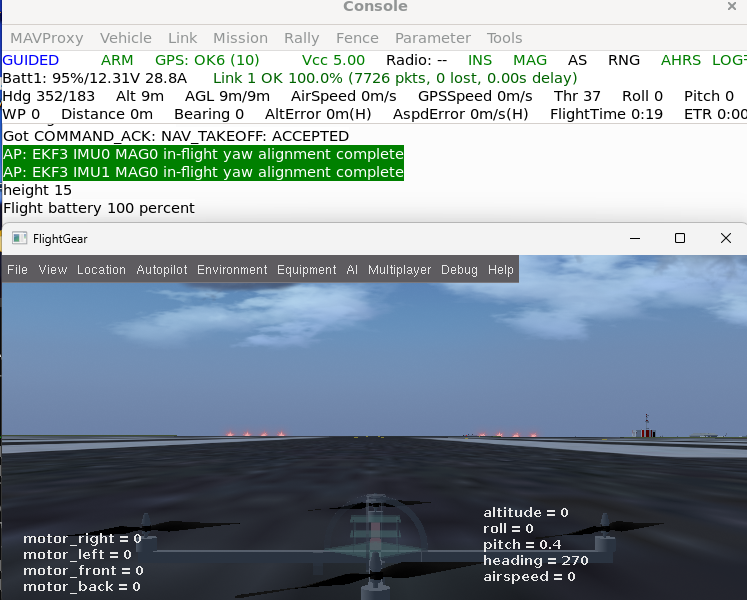
Hardware-in-the-loop and software-in-the-loop validation for autonomous UAV trajectory planning, vision-based object recognition, and failure-mode recovery — built to find what breaks before a real airframe does.
Flight-testing autonomy is expensive and slow when every trajectory-planning bug or vision-recognition edge case costs you a real airframe, a real flight, and real risk. PHI-Drone treats simulation as the proving ground, not an afterthought.
The framework integrates ArduPilot's software-in-the-loop simulator with FlightGear for realistic flight dynamics and YOLOv8 for real-time object detection and tracking, so trajectory planning, adaptive flight control, and failure-mitigation logic get stress-tested thousands of times before anything touches real hardware.
Every simulated flight logs full MAVLink telemetry, which means every failure mode is fully reproducible and debuggable — not a one-off crash you can't reconstruct.
Full trajectory-planning architecture and vision-model training pipeline are reserved for OEM, research, and flight-test partners under NDA — this page covers what the system does, not how it's built.
Independent validation, real flight-test data, or certification pathway guidance would move PHI-Drone from lab-proven to field-proven faster than we can do it solo.
Talk to us about validationThe real-time patent and research landscape underneath this suite, updated continuously via Lens.org.
UAV HIL validation & autonomous systems — patents, trends & white space
Powered by Lens.org
This is being built in the open. The strip below reflects real progress, pulled live.
Want to help build this? Join the project →