PROTOTYPE VALIDATION IMAGERY — CLICK TO EXPAND
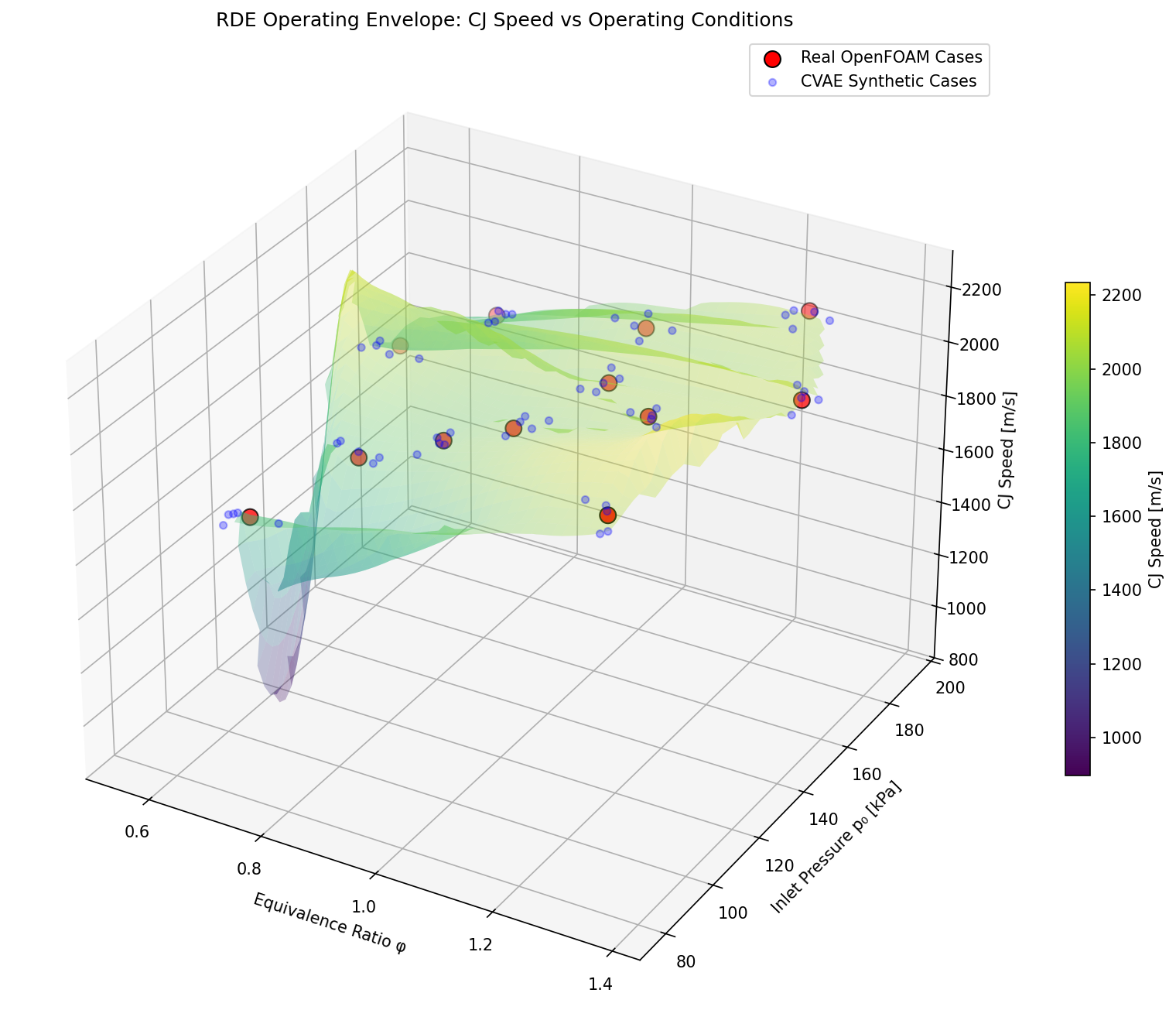
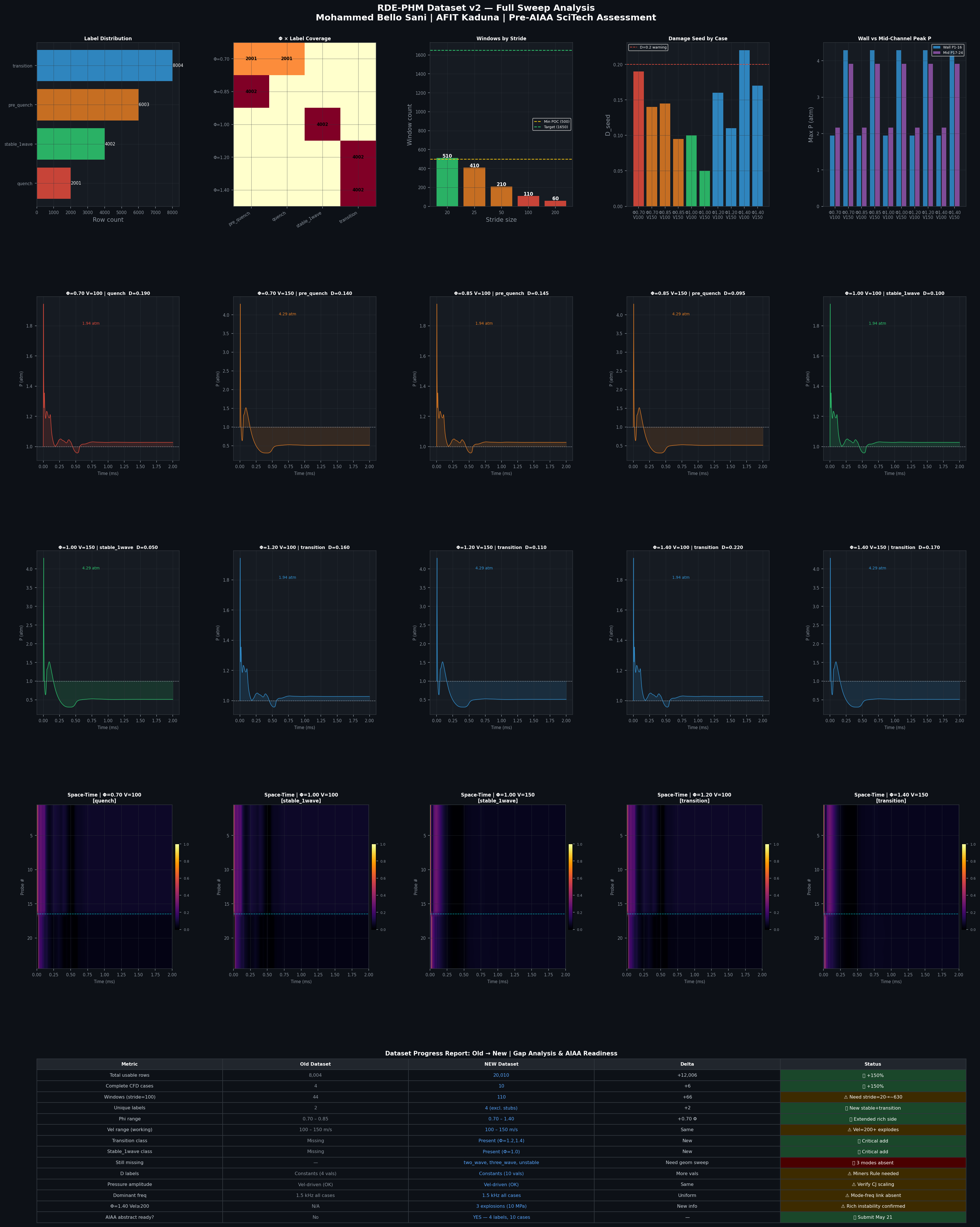
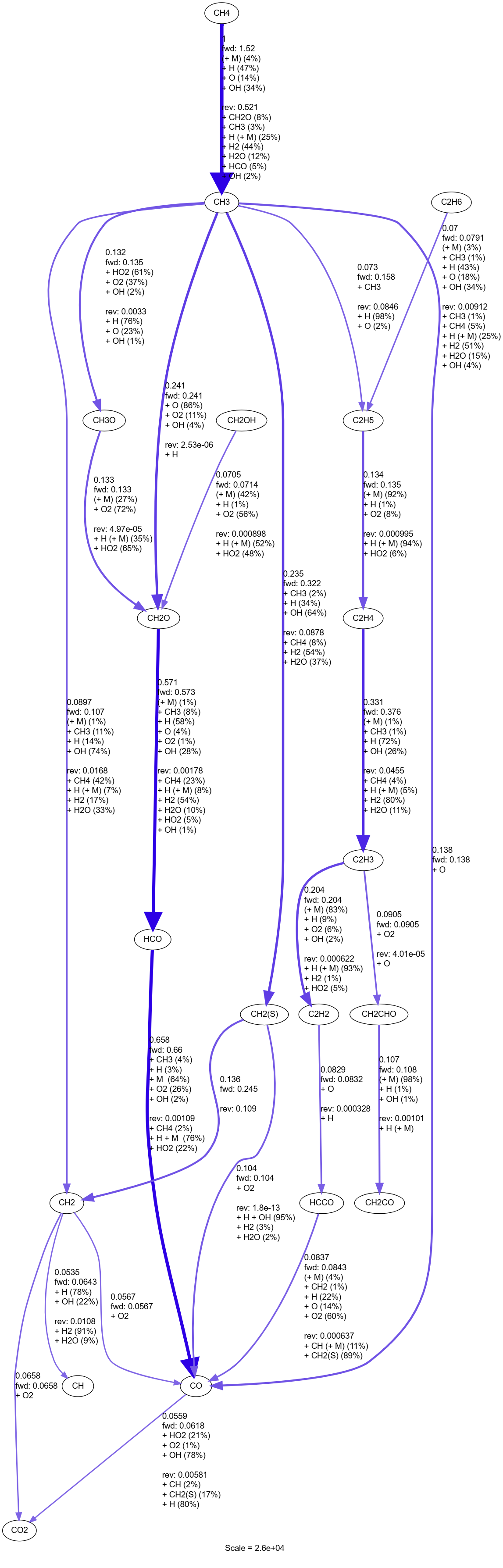
Our propulsion research line — rotating detonation engine (RDE) combustion dynamics and gas turbine prognostics, unified under one research program.
PHI-Engine runs two threads under one program. First: computational fluid dynamics research into rotating detonation engines — a propulsion architecture that trades conventional deflagration combustion for a continuously rotating detonation wave, promising higher thermodynamic efficiency than the turbines flying today. We ran a 72-case parameter sweep in OpenFOAM and published the resulting dataset openly rather than sitting on it.
Second: applying the same physics-informed approach to gas turbine prognostics — a model trained on a 27,000-sample dataset to flag turbine blade degradation before it becomes a maintenance event, benchmarked with a self-calibrating relative health baseline so it adapts to an individual engine's own operating signature rather than a fixed factory spec.
Full combustion CFD methodology and model weights are reserved for OEM and institutional partners under NDA — this page covers what the research does, not how it's built. The RDE-72 dataset itself is public on HuggingFace and Kaggle.
Independent validation against real engine test-cell data, or certification pathway guidance, would move PHI-Engine from lab-proven to field-proven faster than we can do it solo.
Talk to us about validationThe real-time patent and research landscape underneath this suite, updated continuously via Lens.org.
Rotating detonation engines & turbine prognostics — patents, trends & white space
Powered by Lens.org
This is being built in the open. The strip below reflects real progress, pulled live.
Want to help build this? Join the project →